An annual plumbing maintenance checklist can help Gilbert homeowners catch leaks, mineral buildup, worn fixtures, and water-heater problems before they turn into expensive emergencies. Although plumbing systems are designed to last for years, they still require regular inspections and preventive care.
Homes in Gilbert, Arizona, can experience unique plumbing challenges caused by hard water, mineral deposits, high temperatures, aging pipes, and heavy household water use. A small leak under a sink or a slow drain may not seem urgent, but it can eventually lead to water damage, mold growth, higher utility bills, or a major plumbing failure.
Since 2004, Ideal Plumbing has helped Gilbert homeowners maintain, repair, and improve their plumbing systems. Use this yearly checklist to identify potential problems and understand when it is time to contact a professional plumber in Gilbert, AZ.
What Should Annual Plumbing Maintenance Include?
A complete annual plumbing maintenance checklist should include checking faucets, toilets, exposed pipes, drains, appliance connections, water pressure, shut-off valves, outdoor fixtures, and the water heater.
Homeowners should also look for signs of corrosion, hidden leaks, hard-water scale, unusual noises, and changes in water flow. While many visual checks can be performed safely, repairs involving gas lines, electrical components, water pressure, or concealed pipes should be handled by a qualified plumber.
Why Plumbing Maintenance Matters in Gilbert, Arizona
Regular Arizona home plumbing maintenance can help extend the life of pipes, fixtures, appliances, and water-heating equipment. It may also prevent minor issues from developing into disruptive plumbing emergencies.
Gilbert homes are particularly affected by hard water mineral buildup. Minerals can collect around faucets, showerheads, pipes, valves, and inside water heaters. Over time, this buildup may restrict water flow, reduce efficiency, and place additional strain on plumbing equipment.
Arizona’s heat can also affect outdoor faucets, exposed pipes, irrigation connections, and supply hoses. A yearly inspection gives homeowners an opportunity to address deterioration before the hottest months arrive.
Annual Plumbing Maintenance Checklist for Gilbert Homeowners
1. Check Faucets, Pipes, and Cabinets for Leaks
Begin your home plumbing maintenance checklist by inspecting visible pipes and fixtures.
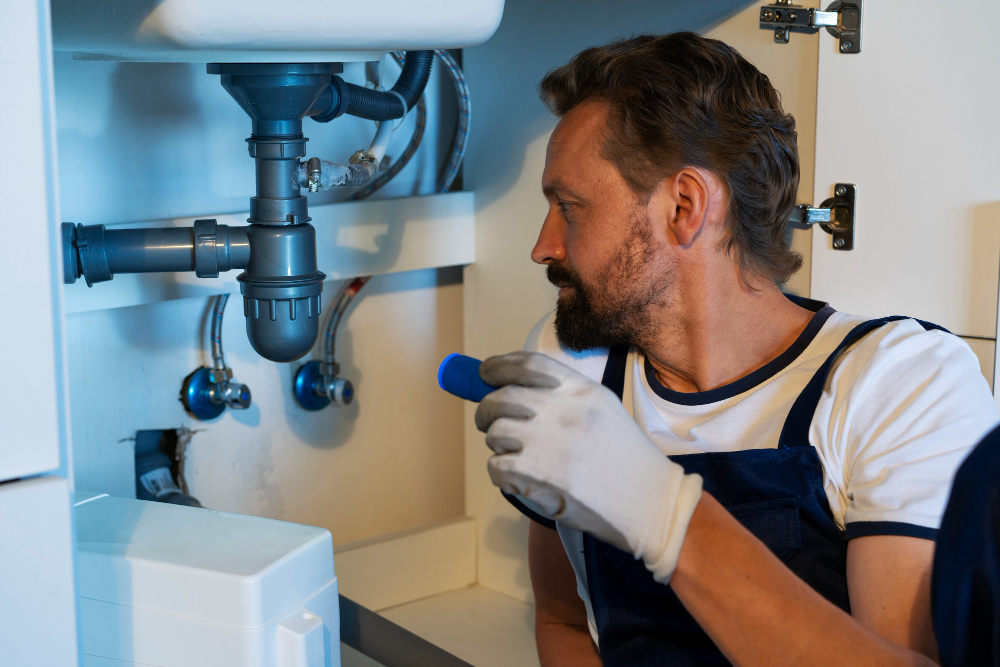
Look underneath kitchen, bathroom, and laundry-room sinks. Check around pipe joints, supply connections, and shut-off valves for moisture, rust, corrosion, or water stains. Warped cabinets, musty odors, peeling paint, and unexplained dampness can also indicate a hidden plumbing leak.
You can also monitor your water meter while every faucet and water-using appliance is turned off. If the meter continues moving, your home may have an undetected leak that requires professional diagnosis.
2. Inspect Toilets, Faucets, and Showerheads
Listen carefully after flushing each toilet. A toilet that continues running may have a damaged flapper, fill valve, or internal component. Also check whether the toilet moves when gently pressed, as a loose base may allow water to escape around the seal.
Inspect faucets for dripping spouts, loose handles, and moisture around their bases. Examine showerheads and faucet aerators for white, chalky buildup.
A dripping faucet or running toilet may appear minor, but it can waste a considerable amount of water over time.
3. Test Every Sink, Shower, and Drain
Run water through every sink, shower, bathtub, and floor drain. Water should flow away quickly without pooling, bubbling, or producing gurgling sounds.
Remove hair, soap residue, and debris from accessible drain strainers. Avoid repeatedly using strong chemical drain cleaners, as they may damage certain pipes and rarely solve the underlying cause of a recurring blockage.
Contact a plumber when several drains become slow at the same time. Multiple slow drains may indicate a deeper drainage or sewer-line problem.
4. Check Your Home’s Water Pressure
Pay attention to changes in water flow throughout your home. Weak pressure in one faucet may be caused by a blocked aerator, while low pressure throughout the property could indicate a leak, valve problem, mineral buildup, or pressure-regulator issue.
Excessively high water pressure can also damage fixtures, connections, and appliance supply lines.
A professional home water pressure test can identify whether the pressure is within a safe range and whether further repairs are needed.
5. Inspect and Maintain the Water Heater
Your water heater should be an important part of your yearly checklist.
Look around the tank, drain valve, and plumbing connections for moisture. Check for rust, corrosion, or discolored water. Listen for popping, rumbling, or banging sounds, which may indicate sediment collecting inside the tank.
Other warning signs include:
- Inconsistent water temperature
- Reduced hot-water supply
- Rising energy bills
- Water around the tank
- Rusty or cloudy hot water
- Slow water heating
Because Gilbert’s hard water can contribute to sediment accumulation, periodic water heater maintenance may improve performance and extend the equipment’s useful life. Follow the manufacturer’s instructions and use a professional plumber for flushing, gas, electrical, or pressurized-system work.
6. Monitor Hard-Water Mineral Buildup
Inspect showerheads, faucets, aerators, and fixture connections for white or chalky deposits. Removable aerators can often be cleaned according to the fixture manufacturer’s recommendations.
However, cleaning visible scale does not remove deposits inside pipes, valves, or water heaters. If buildup repeatedly reduces water flow or affects appliances, schedule a professional evaluation.
Addressing Arizona hard water plumbing problems early may help protect fixtures and water-using equipment.
7. Inspect Shut-Off Valves and Supply Lines
Locate your home’s main water shut-off valve and make sure responsible household members know where it is. Knowing how to stop the water supply can reduce damage during a burst pipe or major leak.
Inspect the supply lines connected to:
- Toilets
- Sinks
- Washing machines
- Dishwashers
- Refrigerators
- Water heaters
Look for cracks, bulges, rust, loose fittings, or moisture. Do not force a stuck or heavily corroded valve, as it may break and cause a leak.
8. Check Outdoor Faucets and Exposed Plumbing
Arizona heat and sunlight can damage outdoor plumbing components. Inspect hose bibbs, exposed pipes, hoses, and irrigation connections for dripping, cracks, loose fittings, or sun-related deterioration.
Check exterior walls and the ground around outdoor faucets for unexplained moisture. Completing this outdoor plumbing maintenance before peak summer can help prevent water waste and unexpected failures.
9. Review Garbage Disposals and Appliance Connections
Run the garbage disposal and listen for grinding, humming, or rattling sounds. Check underneath the sink for leaks and inspect dishwasher and refrigerator water connections.
Avoid placing grease, fibrous food waste, bones, or non-food materials into the disposal. These items can cause blockages and damage internal components.
Which Plumbing Tasks Can Homeowners Handle?
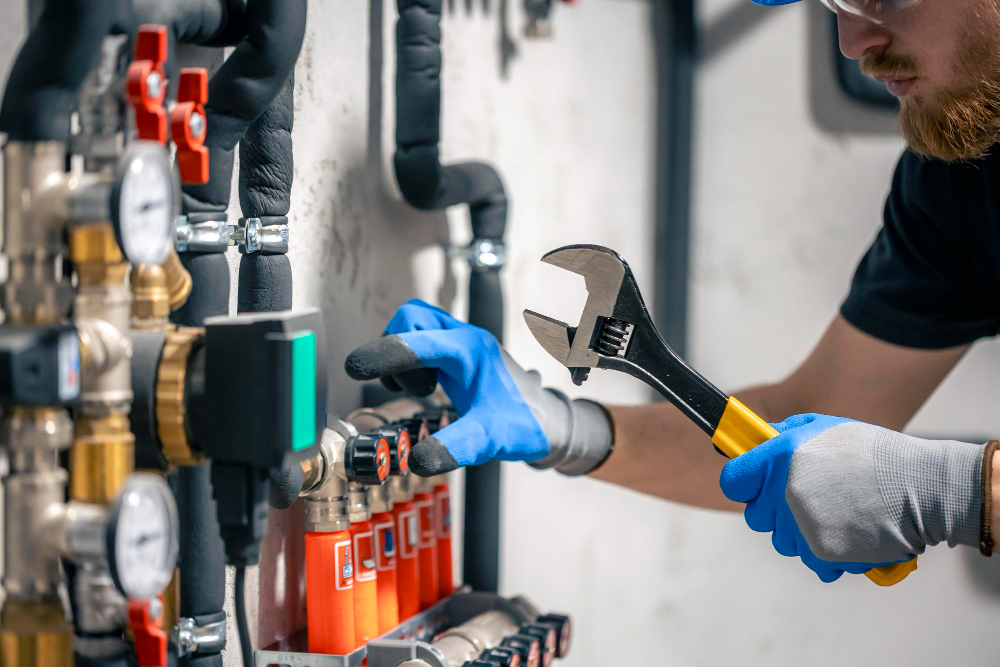
Homeowners can safely perform basic visual inspections, clean accessible drain strainers, monitor water usage, check supply hoses, and locate the main shut-off valve.
Professional help is recommended for:
- Gas or electric water-heater repairs
- Hidden leak detection
- Pressure-regulator adjustments
- Repeated drain blockages
- Corroded valves
- Pipe replacement
- Whole-home repiping
- Major leaks or water damage
Attempting complex repairs without the proper equipment or experience may increase the damage or create safety risks.
When Should You Call Ideal Plumbing?
Contact Ideal Plumbing if you notice recurring clogs, sudden pressure changes, rusty water, unusual water-heater noises, visible corrosion, unexplained moisture, or a rising water bill.
You should also call immediately when a leak cannot be stopped, a shut-off valve does not work, or water is collecting around your water heater.
Ideal Plumbing provides plumbing inspections, repairs, water-heater services, pump services, and plumbing installation or replacement for Gilbert homeowners.
Frequently Asked Questions
How often should home plumbing be inspected?
Homeowners should perform basic visual checks throughout the year and complete a detailed maintenance review annually. Older homes, properties with recurring leaks, and homes with aging water heaters may require more frequent professional inspections.
Can annual plumbing maintenance prevent emergencies?
Maintenance cannot prevent every unexpected failure, but it can reveal corrosion, leaks, loose connections, pressure problems, and worn components before they cause more serious damage.
How can I tell if my home has a hidden leak?
Common warning signs include unexplained water-meter movement, rising water bills, damp cabinets, musty odors, wall stains, warm floor areas, peeling paint, and the sound of running water when fixtures are off.
How often should an Arizona water heater be flushed?
The correct schedule depends on the water-heater model, manufacturer guidance, water quality, sediment levels, and system condition. A plumber can inspect the unit and recommend an appropriate maintenance schedule.
Schedule Plumbing Maintenance With Ideal Plumbing
Do not wait for a small leak or worn component to become an expensive emergency. Let Ideal Plumbing help you complete your annual plumbing maintenance checklist, identify developing problems, and protect your Gilbert home.
- Call: (480) 688-2424
- Email: Dave@idealplumberaz.com
- Address: Gilbert, AZ, United States, Arizona 85296
- Ideal Plumbing on Google Maps
Contact Ideal Plumbing today to request a free quote or schedule professional plumbing service.